
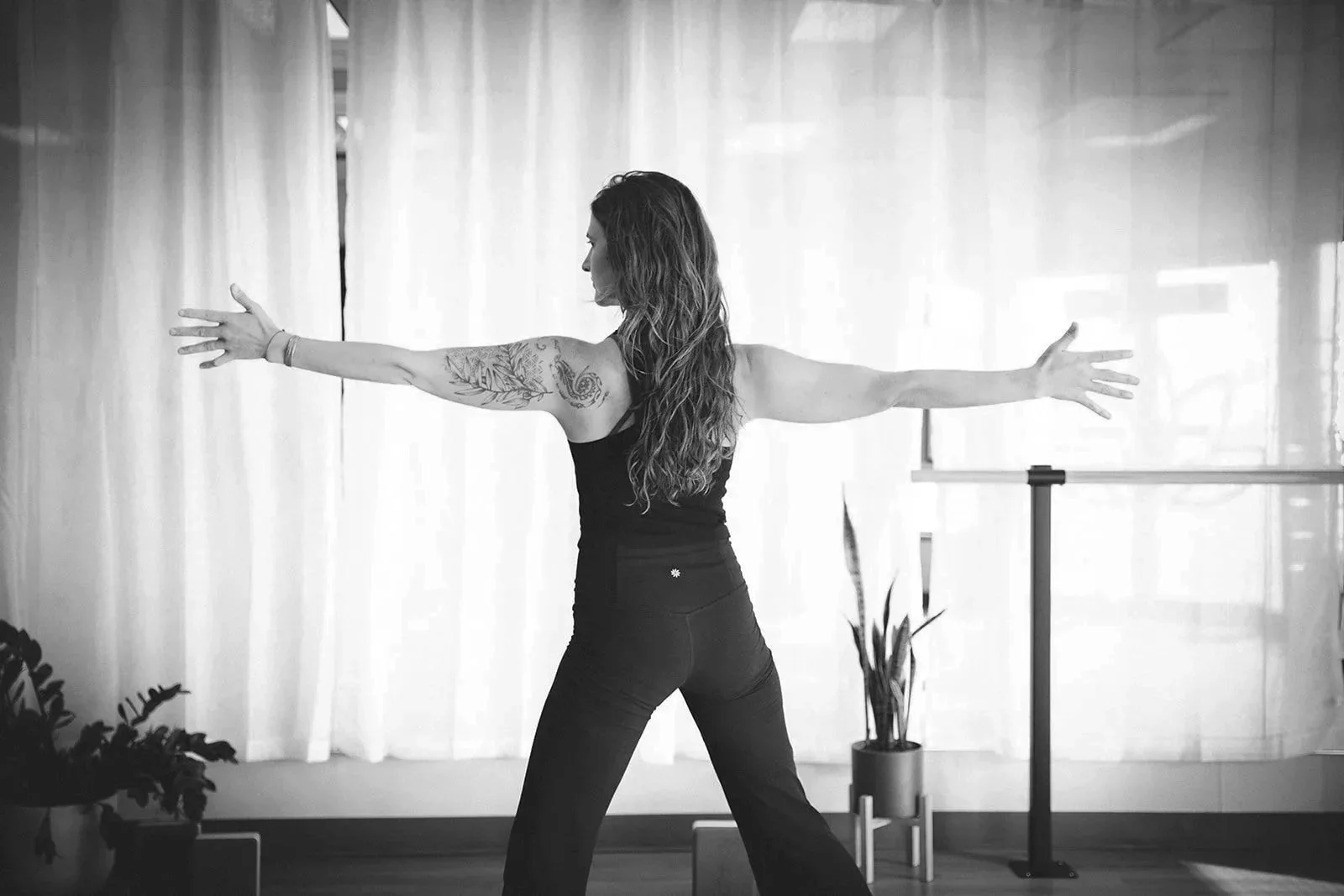
❋
Foundation Training
My Story
I found Foundation Training when a friend who knew about my back pain sent me Eric Goodman's 12-minute video. I tried it, and it felt so good in my body. Then I noticed something: on the days I did it, my back didn't hurt. When I fell out of the habit, the pain crept back. I didn't know why it worked, only that it did.
For years, pain still cycled in and out of my life: sciatica, a neck that wouldn't turn, an achy low back. In 2023 I completed the year-long Foundation Training certification. It was my first deep dive into kinesiology and physiology. It ended with an in-person immersion where everything came together, and I learned things deeply in body and mind.
Since that weekend, I haven't had an episode of back or neck pain. I still feel tension sometimes, but it's a different kind of discomfort.
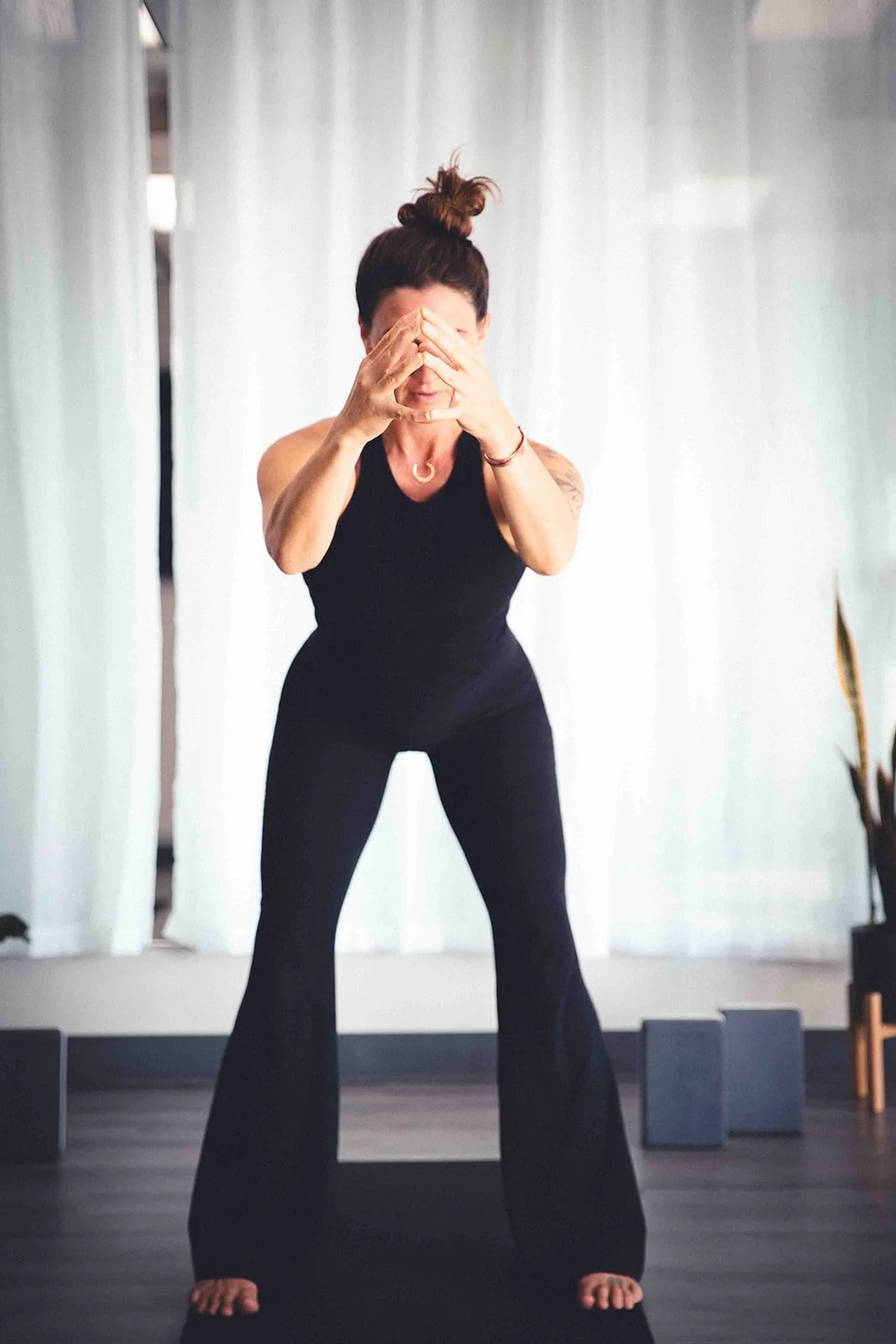
Today I practice and teach Foundation Training every week. I love how it makes space in the body, decompresses the spine, and builds movement patterns that carry into everything you do.
15 years ago Dr. Goodman’s gave a Ted Talk that resonated with many…
Foundation Training has evolved A LOT over the years, and while the video linked below does not include much of the current FT standards, I still am grateful for it.
An oldie, but a goodie!
FT FAQ
-
Modern life has brought us numerous incredible inventions intended to simplify our daily routines, such as computers and cars. As time goes on, our bodies have tried to adjust to these new habits. However, many of these adjustments come with significant costs to our physical health. Spending long hours at desks, using smartphones, and sitting in traffic leads to our shoulders curving forward, our necks being compressed, and our hips rotating outward. These habits cause our bodies to lose their natural structure. Ever wake up with neck pain? Struggle to tie your shoes or stand up from a chair after sitting for an extended period? These are indicators that your body is out of its natural alignment and suffering from persistent compression.
-
The exercises and positions you learn in Foundation Training are designed to help your mind and body break free from harmful habits that cause chronic pain. This training teaches you to overcome these habits by using stabilizing movements, purposeful posture, and mindful breathing to engage the muscles in your core and posterior chain. With regular practice, your pain decreases, your resilience to injuries grows, and you feel more energized.
-
It's crucial to have a basic understanding of Foundation Training principles and how to execute the exercises correctly. Participating in private sessions and group classes can set you up for success. Since each person and their patterns can vary, it depends on your specific circumstances. Generally, once you grasp the basics, commit to practicing at home for just 5-10 minutes a day, and you should begin to experience relief within a few weeks.
-
Physics plays a role in how the force of gravity, along with the pressure from our work and home environments (like sitting at desks, in cars, or leaning over a counter), consistently pushes us downward. Foundation Training equips you with the skills to effectively resist this force. Our bodies are naturally designed to stand upright with muscles supporting our joints and bones. Foundation Training helps you reclaim this innate capability, bringing back balance and alignment.
-
Once your doctor gives you the go-ahead for physical therapy, you can start Foundation Training. It's also an excellent complement to traditional physical therapy or rehabilitation practices. While physical therapy aids in recovering from serious injuries or surgeries, Foundation Training offers you the strategies to maintain strength and alignment as you transition back to everyday life.
-
Move Free Studio
Agate Beach, OR 97365
5:30 PM Mondays
Our methodology unites scientific instructional design with operational precision, delivering measurable return on participation.-
Pre-event diagnostics determine baseline competencies, aligning content with identified gaps.
-
Module sequencing flexes to varying time horizons and sector requirements.
-
Internal audits examine pedagogical coherence and logistical efficiency.
-
Single-sign-on access streamlines user experience across devices.
-
Multimodal content accommodates visual, auditory, and kinesthetic preferences.